
A solid biography in many aspects, but not without its problems
Published in 2010 by Thomas Nelson Inc.
Published in 2010 by Thomas Nelson Inc.
First, a bit about this reviewer and Civil War books. This is my 80th Civil War book. Robert E. Lee figures prominently in almost every one of them. I consider him to be the the most talented general that served on either side in that war and that is high praise indeed because many generals rose to the top and did distinguished themselves in that war. If Lee is the most talented general in that war, he is the most talented American officer of the 19th century and one can make the argument that he may have been the best ever (assuming one overlooks the massive point that he earned that reputation as a fighter by breaking his oath and taking up arms against the United States government, which I am.)
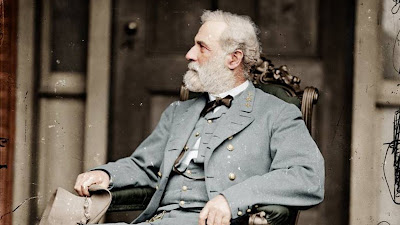 No one did so much with so little against an opponent that was better fed, had better and more numerous weapons, and outnumbered him in literally every battle. He fought with principle and with respect for his enemies (who he refused to call his enemies - he called the Union forces "those people.")
All of that being said, even I cannot approach the standard of hero worship that John Perry creates in the introduction of this book. Perry cites as one of his primary sources the Douglas Southall Freeman biography R. E. Lee. Freeman was the primary advocate of a revisionist movement of historians popularly called the Lost Cause movement. It emphasizes the noble character of the southern generals, de-emphasizes the importance of slavery as a cause of the Civil War and justifies secession as a legitimate response to aggressive Northern attacks on the Southern way of life and economy. I would consider Lee: A Life of Virtue to be Lost Cause "lite".
For example, Perry makes a big deal of the fact that Lee never personally owned a slave. He also notes that Lee condemned slavery. That is true, but he did not need to personally own a slave - his wife and her family owned more than one hundred slaves and at least one travelled with the family whenever they followed him in his army postings. Condemning slavery while benefitting from it is a difficult position to defend (ask any devotee of Jefferson.)
Clearly, the war was about more than just slavery, but as noted Civil War historian James McPherson notes in his book of essays about the Civil War entitled This Mighty Scourge, modern historians are re-discovering the primacy of slavery in the debates concerning secession. Charles B. Dew notes in Apostles of Disunion, "Defenders of the Lost Cause need only read the speeches and letters of the secession commissioners to learn what was really driving the Deep South to the brink of war in 1860-61."
Perry's biography of Lee, however, is quite good on the whole. He makes the details of Lee's early life interesting, including all of his postings around the country as an engineer in places such as St. Louis and New York City.
More than half of the book concerns his time in the service of the state of Virginia and the Confederate States of America in the Civil War. Perry's description of the battles and the politics of the war is solid, despite glaring glitches such as the time when he refers to the Battle Sharpsburg (Antietam) as "Strategically...relatively unimportant." (p. 167)
Antietam was a massive strategic loss for the Confederacy. This loss caused Lee to stop his strategy of bringing the war to the North for nearly a year and, even more importantly, provided Lincoln with the victory he needed (vague as this victory was) to issue the preliminary version of the Emancipation Proclamation. This document brought in African American soldiers, stopped Britain's attempts to interfere in the war, and laid the groundwork for the laws and Constitutional Amendments that ended slavery forever. Some have argued that Antietam (Sharpsburg) was the most important battle of the war because of all of those strategic losses.
So, to sum up, this is a solid biography, but not perfect. Too much hero worship and a basic misunderstanding of the Union war strategy as typified by the fundamental misunderstanding of the importance of the Battle of Antietam.
I rate this book 3 stars out of 5. It can be found on Amazon.com here: Lee: A Life of Virtue (The Generals series).
Reviewed September 25, 2010.
I reviewed this book in conjunction with Thomas Nelson's BookSneeze program. I was not compensated for this review. The opinions expressed are mine.
Review updated on July 27, 2024.

All of that being said, even I cannot approach the standard of hero worship that John Perry creates in the introduction of this book. Perry cites as one of his primary sources the Douglas Southall Freeman biography R. E. Lee. Freeman was the primary advocate of a revisionist movement of historians popularly called the Lost Cause movement. It emphasizes the noble character of the southern generals, de-emphasizes the importance of slavery as a cause of the Civil War and justifies secession as a legitimate response to aggressive Northern attacks on the Southern way of life and economy. I would consider Lee: A Life of Virtue to be Lost Cause "lite".
For example, Perry makes a big deal of the fact that Lee never personally owned a slave. He also notes that Lee condemned slavery. That is true, but he did not need to personally own a slave - his wife and her family owned more than one hundred slaves and at least one travelled with the family whenever they followed him in his army postings. Condemning slavery while benefitting from it is a difficult position to defend (ask any devotee of Jefferson.)
Clearly, the war was about more than just slavery, but as noted Civil War historian James McPherson notes in his book of essays about the Civil War entitled This Mighty Scourge, modern historians are re-discovering the primacy of slavery in the debates concerning secession. Charles B. Dew notes in Apostles of Disunion, "Defenders of the Lost Cause need only read the speeches and letters of the secession commissioners to learn what was really driving the Deep South to the brink of war in 1860-61."
Perry's biography of Lee, however, is quite good on the whole. He makes the details of Lee's early life interesting, including all of his postings around the country as an engineer in places such as St. Louis and New York City.
More than half of the book concerns his time in the service of the state of Virginia and the Confederate States of America in the Civil War. Perry's description of the battles and the politics of the war is solid, despite glaring glitches such as the time when he refers to the Battle Sharpsburg (Antietam) as "Strategically...relatively unimportant." (p. 167)
Antietam was a massive strategic loss for the Confederacy. This loss caused Lee to stop his strategy of bringing the war to the North for nearly a year and, even more importantly, provided Lincoln with the victory he needed (vague as this victory was) to issue the preliminary version of the Emancipation Proclamation. This document brought in African American soldiers, stopped Britain's attempts to interfere in the war, and laid the groundwork for the laws and Constitutional Amendments that ended slavery forever. Some have argued that Antietam (Sharpsburg) was the most important battle of the war because of all of those strategic losses.
So, to sum up, this is a solid biography, but not perfect. Too much hero worship and a basic misunderstanding of the Union war strategy as typified by the fundamental misunderstanding of the importance of the Battle of Antietam.
I rate this book 3 stars out of 5. It can be found on Amazon.com here: Lee: A Life of Virtue (The Generals series).
Reviewed September 25, 2010.
I reviewed this book in conjunction with Thomas Nelson's BookSneeze program. I was not compensated for this review. The opinions expressed are mine.
Review updated on July 27, 2024.



 .
.


